Blinds for Large Windows: Panel Tracks and More Options
Table of Contents
- What Counts as a Large Window?
- Why Regular Blinds Fail on Oversized Windows
- What Are the Best Blinds for Large Windows?
- How to Cover a Big Window Without Losing Style
- Why Motorized Blinds Make Sense for Large Windows
- Where Each Blind Type Works Best
- FAQs
Most homeowners spend weeks designing and arranging their new open-plan space, splashing out on stunning floor-to-ceiling windows, and then standing around scratching their heads over how in the world they are going to cover them. This is often one of the most ignored stages of interior design planning, yet no matter how meticulous you may be, it can surprise you.
In the industry of window treatments, there are more options specifically tailored for covering large, tall, and oversized windows than ever before. This includes everything from blinds for large windows that stack up to one side of your room to motorized and remote-controlled window coverings designed to block an entire glass wall, depending on your preferences.
What Counts as a Large Window?
Windows are normally categorized as big when they surpass the dimensions that a typical single blind will cover; for instance, any window larger than 96 inches wide or more than 84 inches tall is big. Some examples of large windows include full-length windows, picture windows, glass doors, and wall windows. It is important to know the difference because picking the wrong solution can end up making your window look bad.
| Window Type | Typical Dimensions | Common Location |
|---|---|---|
| Floor-to-ceiling | 84 inches or taller | Living rooms, dining areas |
| Picture window | 60 to 120 inches wide | Front-facing rooms |
| Sliding glass door | 72 to 144 inches wide | Patios, backyards |
| Window wall | Multiple joined panels | Modern builds, lofts |
Why Regular Blinds Fail on Oversized Windows
A standard blind suspended from a wide window tends to sag in the center where there is no fabric support spanning the width of the blind. When using corded blinds on floor-to-ceiling windows, it will be hard to operate the blind beyond one's arm's reach. In addition, a standard wide window blind folds very heavily at the top when raised, obscuring the view and spoiling the overall elegance of the window.
Weight can also be a factor in the design and installation of fabric for large picture windows and oversized windows. A light roller shade that functions effectively on a 48-inch kitchen window will not be functional and wrinkled on a 120-inch picture window unless the appropriate support is provided laterally.
What Are the Best Blinds for Large Windows?
Panel Track Blinds
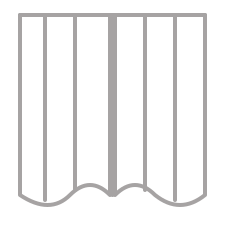
Panel track blinds are widely used for large windows and sliding glass doors. These are wide panels made of fabric material attached to either ceiling or wall tracks that slide sideways to open or close. When opened, they stack up neatly on one side or both sides of the glass window. Room darkening and light filtering panels track well for bedrooms, living rooms, and home offices.
Roller Blinds for Wide Windows
Roller blinds work well for large windows when paired with the right cassette system and fabric weight. For wide windows, a center-join roller system allows two blinds to meet in the middle, eliminating sag while maintaining a seamless appearance. They are particularly effective as shades for picture windows where a clean, unobstructed look is the priority.
Sliding Window Blinds
Sliding window blinds are purpose-built for large sliding doors and patio openings. They operate on a track system engineered for the lateral movement and clearance requirements of sliding glass doors, handling operational demands that a standard roller or panel blind cannot.
Motorized and Smart Window Coverings
For any large window above comfortable reach, motorized blinds are the right upgrade. In 2026, smart motorized window coverings integrate with Google Home, Alexa, and Apple HomeKit, letting you adjust an entire wall of blinds from your phone or with a voice command. They also support programmed schedules, so your blinds open at sunrise and close at sunset automatically.
Where Each Blind Type Works Best
Living Rooms with Floor-to-Ceiling Windows: Panel track blinds handle large spans cleanly, stack neatly when open, and suit any interior style from minimalist to warm and textured.
Open-Plan Spaces: Motorized panel tracks controlled as a group give open-plan spaces a unified look that manual systems cannot provide at this scale.
Bedrooms with Oversized Windows: Room-darkening roller blinds with a cassette head rail and motorized lift deliver complete blackout coverage and keep the room looking clean when fully raised.
Patio and Sliding Door Openings: Sliding window blinds handle the clearance and lateral operation demands of a sliding glass door without catching on door hardware or sagging mid-span.
Conclusion
Blinds for bigger windows demand the same amount of consideration as you have given while choosing the windows themselves. It is because panel track blinds, roller blinds with center-join mechanisms, sliding window blinds and motorized smart blinds offer solutions to different problems that regular blinds fail to do so. Choosing the correct blinds for your windows makes something annoying effortless in your home life.
Visit Met Blinds to explore the full range of custom window treatment options and book a free in-home consultation with a specialist who measures, recommends, and installs every blind to a perfect fit.
FAQs
Q1: What are the best blinds for large windows?
Panel track blinds, wide roller blinds with the center-join system, and motorized versions are the best answers. They are designed specifically for the larger sizes that standard blinds can't address.
Q2: Can roller blinds cover very wide windows?
Yes, with a center-join design wherein two rollers join together in the middle, eliminating any sagging effect and giving you a seamless look.
Q3: Are motorized blinds worth it for large windows?
Definitely. Motorized blinds for large windows operate easily in even the largest windows, work well with smart home technology, and offer great solar heat savings for an entire season.
Q4: What is the difference between panel tracks and sliding window blinds?
Panel track blinds are ideal for large windows and spaces, and can also be used to divide rooms. The sliding window blinds are designed for use on sliding glass doors and have enough track space to accommodate door hardware.
Q5: How do I cover a big window without it looking heavy?
Use an opaque fabric in neutral colors along with a blind mechanism that can be stacked. You may use a panel track or cassette roller, which will not make your window look heavy and bulky.