Curtains vs Drapes: Which One Is Right for Your Home?
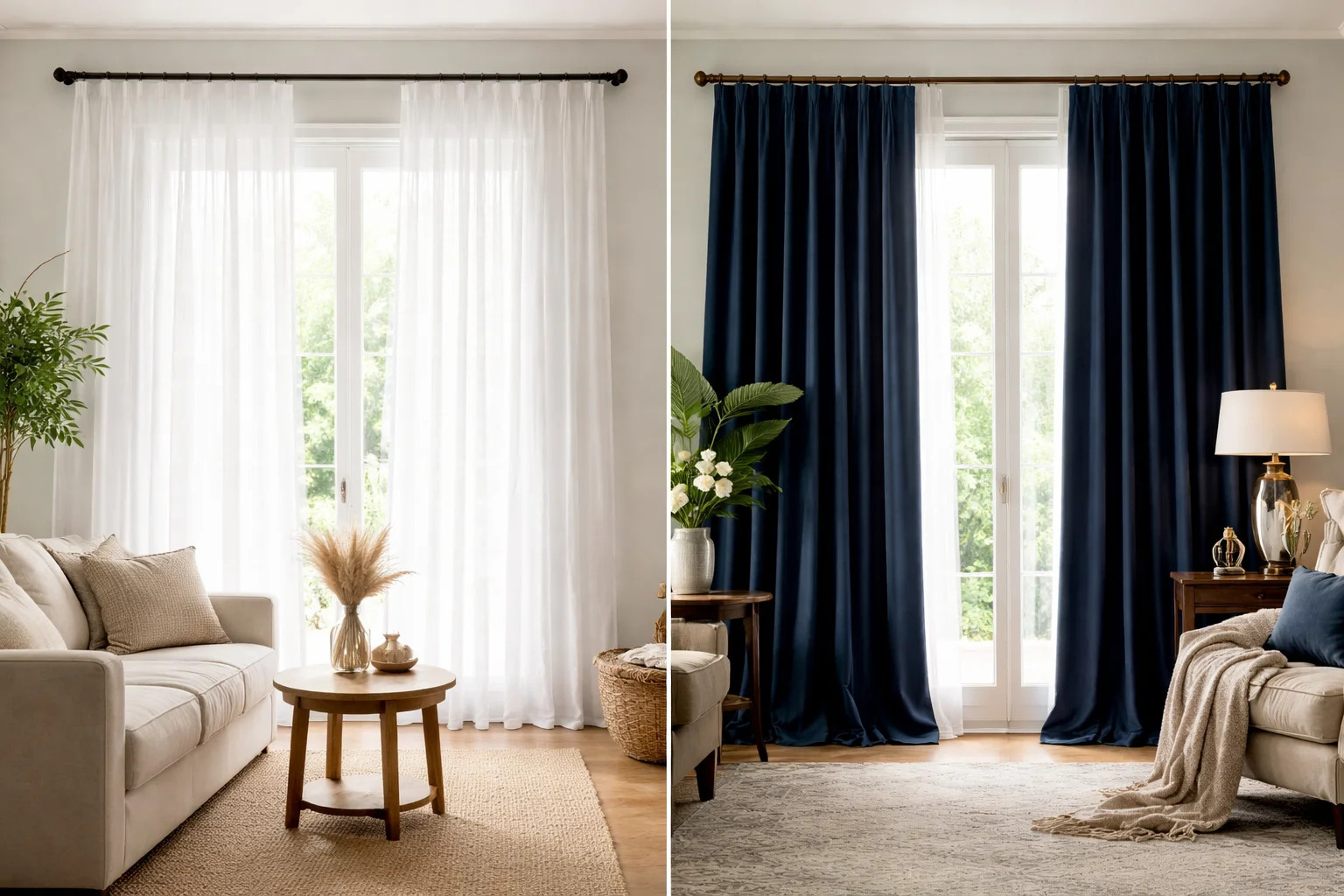
Quick answer: Curtains are lightweight fabric panels that hang loosely and usually stop at or below the windowsill, made for casual light filtering. Drapes are heavier, fully lined panels that run floor-to-ceiling, built for blackout, insulation, and a more formal look. If you want everyday light control, choose curtains. If you want maximum privacy, warmth, and a designer finish, choose drapes.
If you've ever stood in a showroom trying to figure out whether you need "curtains" or "drapes," you're not alone — the two terms get used interchangeably even though they behave very differently once they're hanging in your home. The fabric weight, the lining, the length, and even how much they cost to maintain all change depending on which one you pick. Getting this right matters more in Calgary than most places: our homes deal with long, bright summer evenings and brutally cold winter nights, and your window treatment is doing real work on both fronts.
This guide breaks down exactly how curtains and drapes differ, when each one makes sense, and how to combine them if you want the benefits of both.
What Are Curtains?
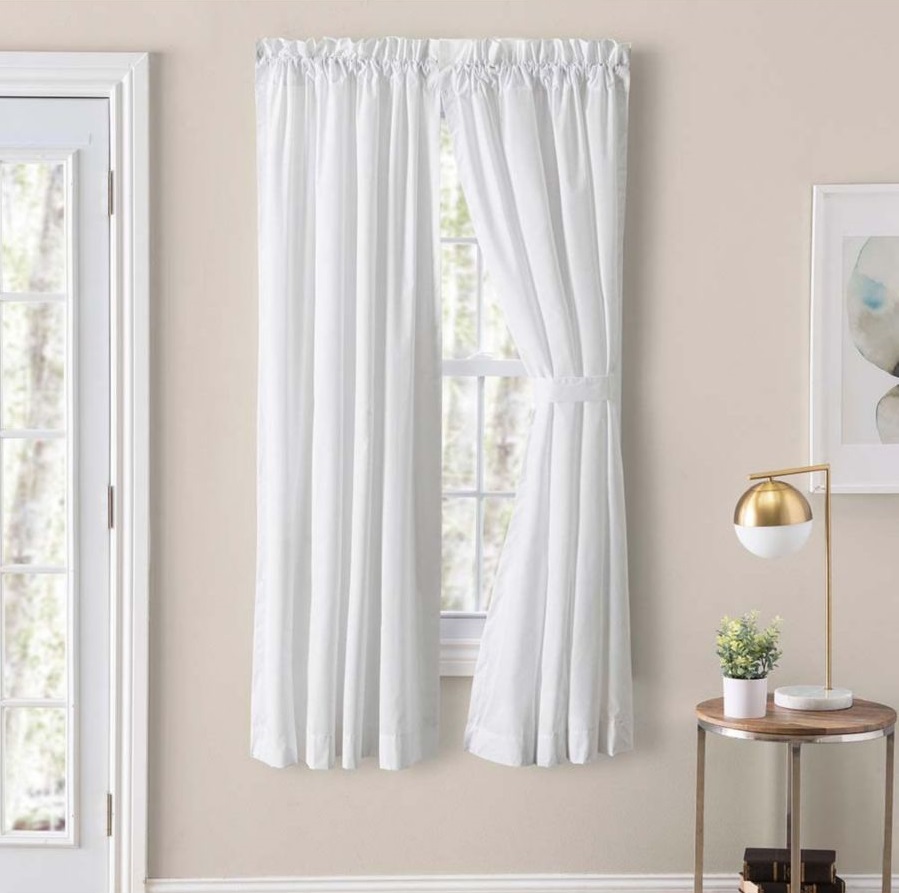
Curtains are single-layer, lightweight window panels — think cotton, linen, or sheer polyester blends — that hang from simple rings, tabs, or a rod pocket. They're usually cut to fall at the windowsill or just below it, though longer styles exist. Because they're unlined, curtains let some daylight filter through even when closed, which is exactly the point: they're built for a soft, casual, everyday look rather than total darkness.
Met Blinds' custom curtains in Calgary collection covers this range, from sheer fabrics that filter light and add privacy without blocking a view, through to structured Dream Curtains panels for a more finished, layered look.
What Are Drapes?
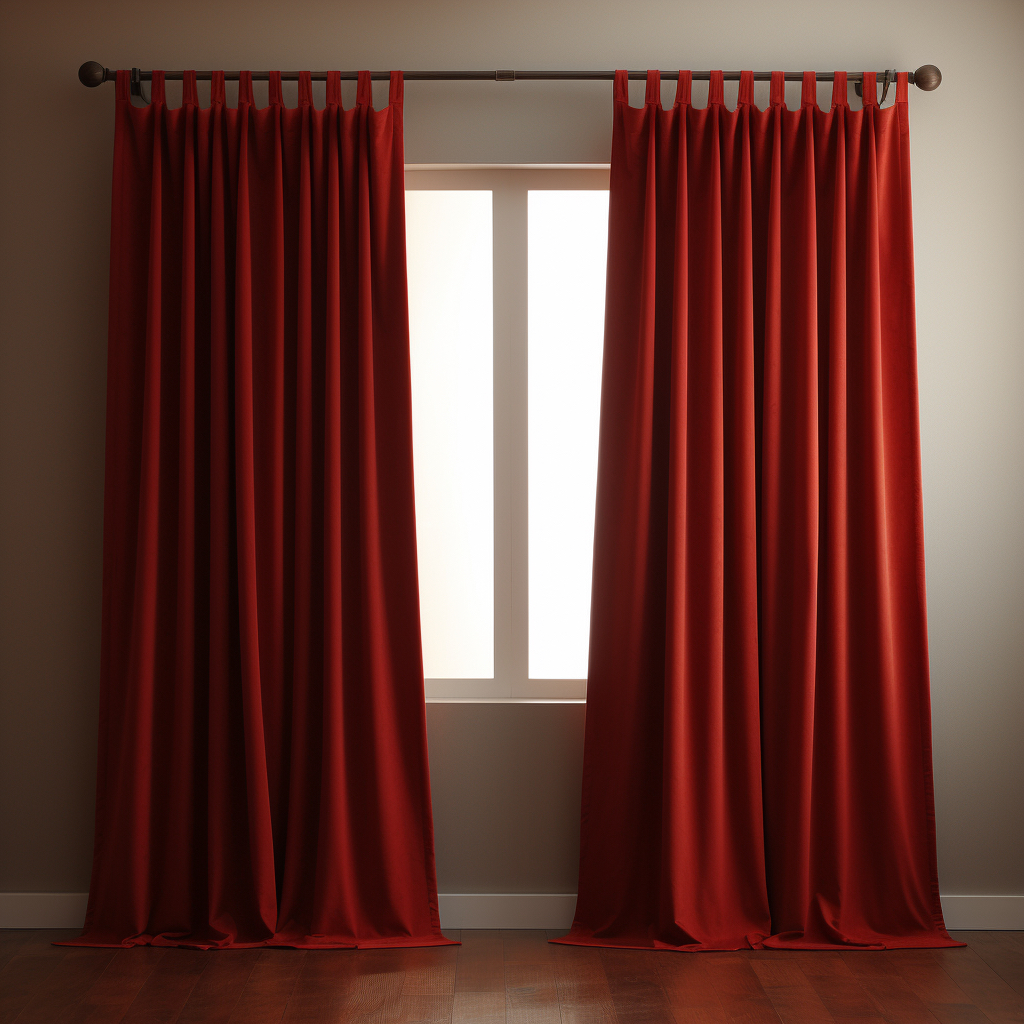
Drapes (often called drapery) are heavier, fully lined panels that typically run from just below the ceiling all the way to the floor. The lining is what does most of the work — it adds weight, structure, and blackout or thermal properties that a single layer of fabric simply can't match. Drapes are the choice when you want a room to feel formal, or when you need serious light blocking and insulation, not just filtering.
Met Blinds' drapery collection is built around this: heavier fabrics like linen blends and velvet, custom-lined for insulation and light control, cut to your ceiling height rather than a standard size.
Curtains vs Drapes: Key Differences at a Glance
Curtains | Drapes | |
|---|---|---|
Fabric weight | Light, often unlined | Heavy, fully lined |
Typical length | Sill or below | Ceiling to floor |
Light control | Filters light | Can fully block light |
Formality | Casual, relaxed | Formal, tailored |
Insulation | Minimal | Strong (with thermal lining) |
Cost | Lower | Higher (fabric + lining + custom length) |
Cleaning | Often machine-washable | Usually dry-clean or professional |
Light Control and Privacy: Which One Actually Blocks the Sun?
This is usually the deciding factor. If you're chasing brightness — a kitchen, a reading nook, a room that faces east and gets gorgeous morning light — curtains in a sheer or semi-sheer fabric let that light in while still giving you privacy from the street. They won't do much for a bedroom that needs true darkness for shift-work sleep or a media room, though.
Drapes solve that problem. A lined or blackout-lined drape can bring a room close to total darkness, which is why they're the default for bedrooms, home theatres, and any Calgary home dealing with those long summer evenings where the sun doesn't fully set until late. The heavier fabric also helps buffer sound a little, which is a nice side benefit in rooms that back onto busy streets.
Style and Room Fit
Curtains tend to suit spaces that want to feel light, open, and unforced — a sunroom, a casual living room, a kid's bedroom, a modern kitchen. Because the fabric is lighter, they don't visually "weigh down" a room the way a heavy floor-length panel can.
Drapes lean formal by nature. They're a natural fit for a dining room, a primary bedroom, or a living room where you want a bit of drama — think floor-to-ceiling velvet or a rich linen blend framing a large window. If you want a layered, designer-style look without going fully formal, Met Blinds' Dream Curtains combine the visual softness of drapery with the practical light control of a blind behind it, which is a popular middle ground for Calgary living rooms that need to work for both daytime and evening.
Cost and Maintenance
Curtains are generally the more budget-friendly option — standard sizes, simpler fabrics, simpler hardware, and most can be thrown in the wash. Drapes cost more because they're almost always custom-measured to your ceiling height, use heavier and often lined fabric, and typically need professional cleaning once or twice a year rather than a home wash. That said, drapes are a longer-term investment: the fabric holds up well, hides dust better than lightweight curtains, and the insulation benefit can offset some of your heating and cooling costs over time — a real consideration given Calgary's temperature swings.
Layering Curtains and Drapes Together
You don't have to choose just one. A lot of the best-looking (and most functional) window setups use both: a sheer or light curtain on an inner rod for daytime privacy and light filtering, with a heavier drape on an outer rod for evening blackout and warmth. This gives you full control throughout the day — sheers closed for privacy with light still coming in, drapes drawn at night for total darkness and insulation.
[INTERNAL BLOG LINK: link to an existing "living room window treatment ideas" or "how to layer window treatments" post if one exists on the Met Blinds blog]
How to Choose: A Quick Framework
Ask yourself these three questions:
Do you need full darkness, or is some light filtering fine? Full darkness → drapes. Filtering → curtains.
Is the room formal or casual? Formal (dining room, primary bedroom) → drapes. Casual (kitchen, kids' room, sunroom) → curtains.
What's your budget and maintenance appetite? Lower cost, easy washing → curtains. Willing to invest for insulation and a tailored look → drapes.
If your answers point in different directions for different rooms of the house, that's completely normal — most homes use curtains in some rooms and drapes in others.
The Bottom Line
Curtains and drapes both have a place — the right one depends on the room, the light, and how much control you want over both. If you're still deciding between the two, or want to see fabric and lining options in person, book a free consultation with Metblinds and we'll help you match the right window treatment to each room in your home.
Frequently Asked Questions
Are curtains and drapes actually different, or is it just marketing?
They're genuinely different products. Curtains are lightweight and unlined; drapes are heavier, lined, and cut floor-to-ceiling. The distinction affects light control, insulation, and cost — not just the name.
Which is better for blocking heat and cold — curtains or drapes?
Drapes, especially with thermal lining. The heavier, lined fabric creates a barrier against heat loss in winter and heat gain in summer, which curtains generally can't match.
Can I use curtains and drapes on the same window?
Yes — this is called layering. A sheer or light curtain on an inner rod paired with a heavier drape on an outer rod is a common setup that gives you flexible light control throughout the day.
Do drapes really need dry cleaning?
Most lined or heavier drapery does, particularly velvet, silk, or thermal-lined fabrics. Lightweight, unlined drapery panels may be machine-washable — check the care label before assuming either way.
What's the standard length for drapes vs curtains?
Drapes are typically measured from just below the ceiling to the floor, sometimes with extra length for a "puddle" effect. Curtains are more flexible — sill-length, below-sill, or floor-length, depending on the look you want.