Sliding Window Blinds Pros and Cons: Complete Guide
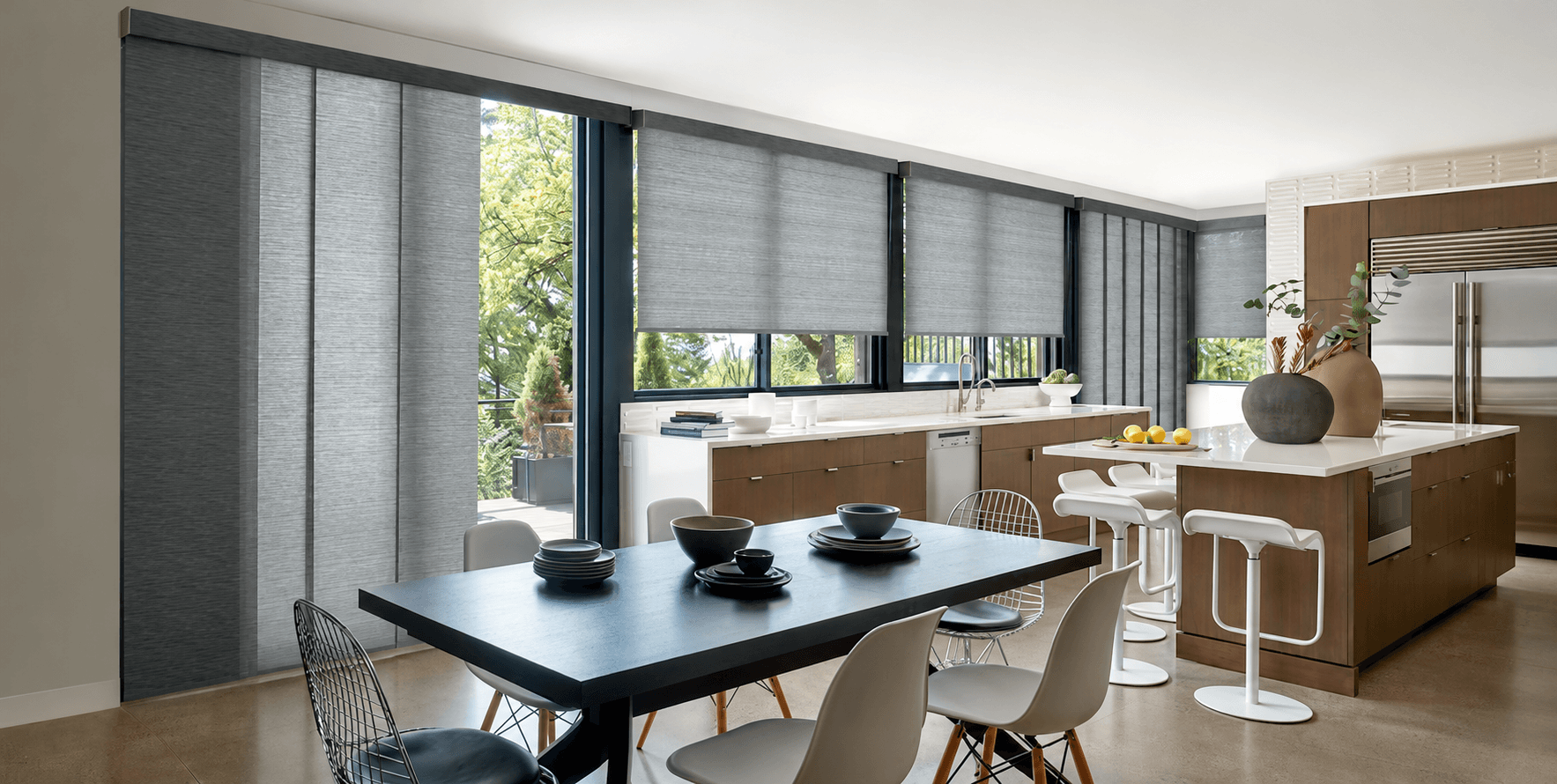
Table of Contents
What Are Sliding Window Blinds?
Pros of Sliding Window Blinds
Cons of Sliding Window Blinds
Choosing the Right Style
Sliding Window Blinds vs Other Options
Buying Guide: What to Check Before You Order
FAQs
Does the combination of sliding windows and blinds really perform well, or is it just a sales pitch? It is a legitimate question because many owners already have experience with a blind that gets caught each time the window slides. The sliding window blinds were created in order to resolve this issue, operating in harmony with the movement of the window and not being in its way. The following guide will provide information on both advantages and disadvantages and types of blinds, and will help you to choose.
What Are Sliding Window Blinds?
Sliding window blinds are window blinds that have been specially made to fit into sliding windows and sliding glass doors, unlike vertical window blinds, which slide up and down. Slats in these window blinds slide horizontally on a rail to match the motion of the sliding windows and doors; hence, they are mostly recommended for patio doors because they can affect the operation of regular window blinds.
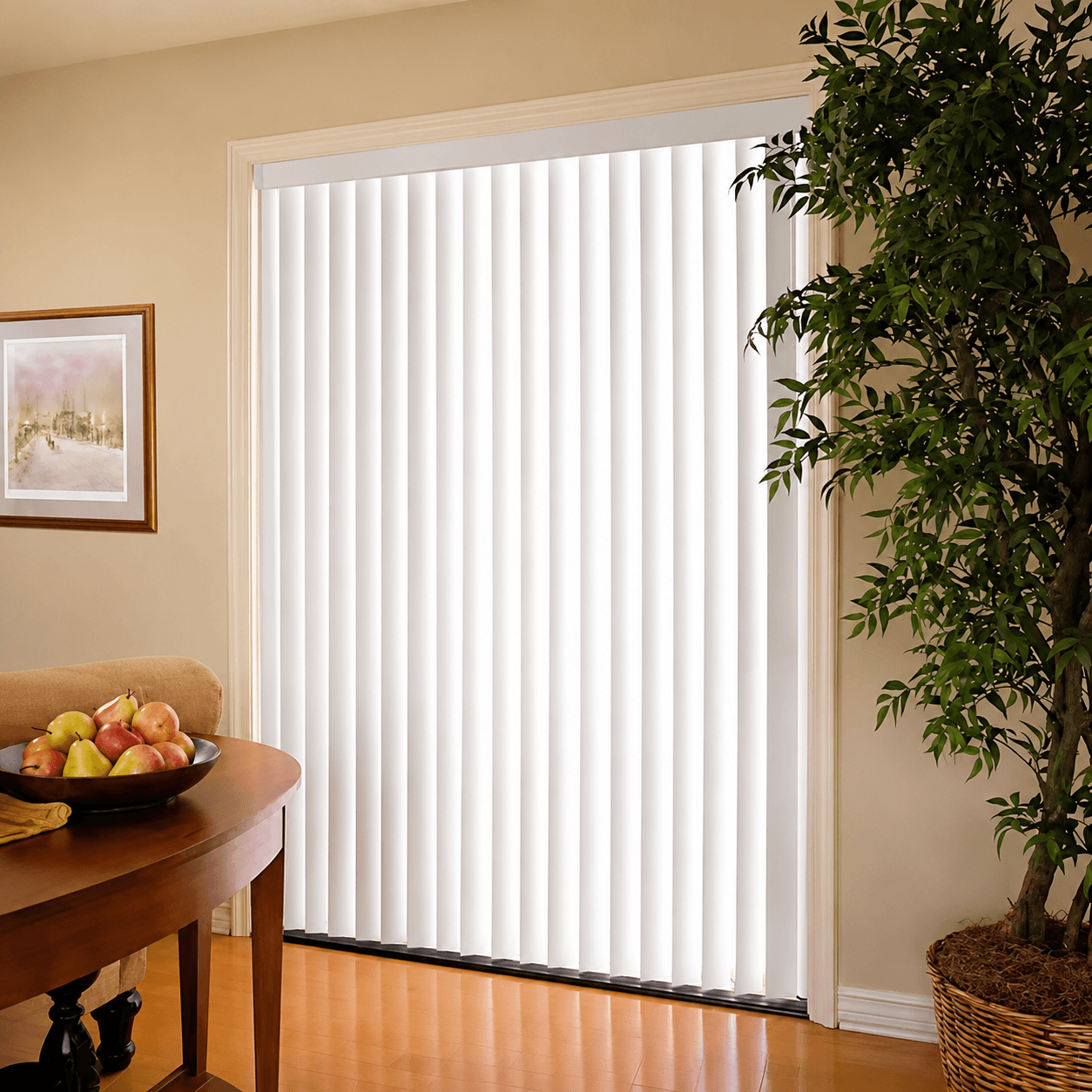
Sliding Window Blinds vs Sliding Glass Door Blinds
The sliding window blinds are window blinds that are used in horizontal sliding windows or sliding glass doors, rather than the traditional blinds, which move up and down. The slats slide horizontally in a track and imitate the sliding of the door or window, making them perfect for patio doors where normal window blinds would hinder their operation.
Did You Know? Sliding window blinds gained popularity in conjunction with patio doors and open-plan designs, where homeowners needed something that did not impede the flow of traffic through the door.
Pros of Sliding Window Blinds
Space-Saving Design
Since they slide sideways rather than horizontally, sliding window blinds occupy minimal additional space and are therefore perfect for small spaces next to a doorway or a path.
Smooth, Uninterrupted Operation
The sliding window blind works with the door, not against it, so there is no catching or bunching of the blind; also, there is no need to raise the blind to open the door.
Strong Light and Privacy Control
Having multiple panel sizes ensures that the blinds are opened only partially for air circulation or for having some view while still blocking out the other portion of the window.
Style Versatility
Ranging from modern sliding blinds made of minimalist fabrics to those with more vibrant designs, this selection offers diverse options, making it easy to match them with current interior decoration.
Better Energy Performance
Custom-made sliding blinds that fit well shut off any draft coming through the glass and prevent heat from escaping, thereby improving overall energy efficiency.
Cons of Sliding Window Blinds
Track Maintenance Required
There are tracks involved in this system, but it will eventually get stuck because of dirt accumulation once the tracks are left uncleaned.
Custom Fit Is Often Necessary
Pre-made sizes will never fit any door opening; hence, most people are forced to buy custom-made sliding blinds, and this brings additional costs.
Higher Cost for Motorized Options
Even though motorized blinds with automated controls are expensive, manual sliding shades can be bought within an affordable budget range.
Limited Blackout in Some Styles
There are certain panel fabrics that leave small gaps in between them, which means that the room won't go black if room-darkening fabrics are not used.
Choosing the Right Style
Sliding window blinds come in a few common formats, and picking the right one depends on the size of the opening and how much light control you want.
Custom sliding blinds: Built to the exact width and height of your door or window, these avoid the gaps that pre-made sizes often leave.
Modern sliding blinds: Clean-lined panels in solid colors or subtle textures, popular in contemporary and minimalist interiors.
Sliding door shades: A broader category that includes fabric panel tracks, often paired with blackout or light-filtering liners for bedrooms and living rooms. Learn more about window treatments for sliding doors
If the window isn't a large sliding pane but a single pane, there are other types that might be more appropriate. The zebra blind allows you to control the light bands on a standard window, while the roller blind provides an economical solution for small openings. If you're looking for a softer appearance in the adjacent area, the Roman blind folds neatly and would be a good choice for the living room, and butterfly blinds add a decorative, cascading design if you want something more distinctive in an adjoining window.
Sliding Window Blinds vs Other Options
Feature | Sliding Window Blinds | Panel Track Blinds | Standard Roller Blinds |
|---|---|---|---|
Best for | Sliding windows and doors | Very wide openings, room dividers | Flat, single-pane windows |
Movement | Horizontal, side to side | Horizontal, side to side | Vertical, top to bottom |
Custom fit needed | Usually | Usually | Sometimes |
Motorization available | Yes | Yes | Yes |
Typical cost | Mid to high | Mid to high | Low to mid |
For very wide sliding doors or open-plan dividers, it is also worth comparing panel track blinds, which use a similar sliding mechanism but with wider individual panels.
Buying Guide: What to Check Before You Order
Measure the full width and height of the opening, including the track area, so the blind does not interfere with the door's movement.
Choose a fabric based on the room's purpose, picking blackout for bedrooms and light-filtering options for living or dining spaces.
Decide between manual and motorized control, since motorized roller and sliding systems are worth the extra cost on frequently used doors.
Check the track material, as aluminum tracks tend to hold up better than plastic under daily use.
Ask about installation support, since a professional fit reduces the risk of sticking or misalignment down the line.
Conclusion
Sliding window blinds provide a viable and space-saving option to cover sliding windows and patio doors, despite having some drawbacks, such as maintenance of the tracks and customized sizing. However, considering all the advantages they possess, it can be stated that sliding window blinds are worth the effort. If you are ready to compare styles for your own space, visit Met Blinds to browse options and book a free consultation for sliding window blinds.
FAQs
1. Are sliding window blinds worth it for patio doors?
Yes, for most homeowners. The sliding window blinds slide along with the door rather than against it, and thus their operation becomes much easier than the normal blinds that slide sideways.
2. What is the difference between sliding window blinds and sliding glass door blinds?
The sliding window blinds cover sliding windows installed in the walls, whereas sliding glass door blinds are designed for tall patio doors.
3. Do sliding window blinds work with motorized control?
Absolutely, motorized versions of sliding window blinds can be controlled through remote controls, smartphone apps, and voice commands, and are compatible with smart home setups.
4. How much maintenance do sliding window blinds need?
Very little. A light wipe of the track every few months and an occasional fabric dusting or vacuum keep most sliding window blinds operating smoothly.
5. Can sliding window blinds fully block light?
It varies depending on the type of fabric. The room-darkening fabric provides a complete blackout, while other fabrics will have gaps between them through which light passes.