Are Roman Shades Blackout? An Overview
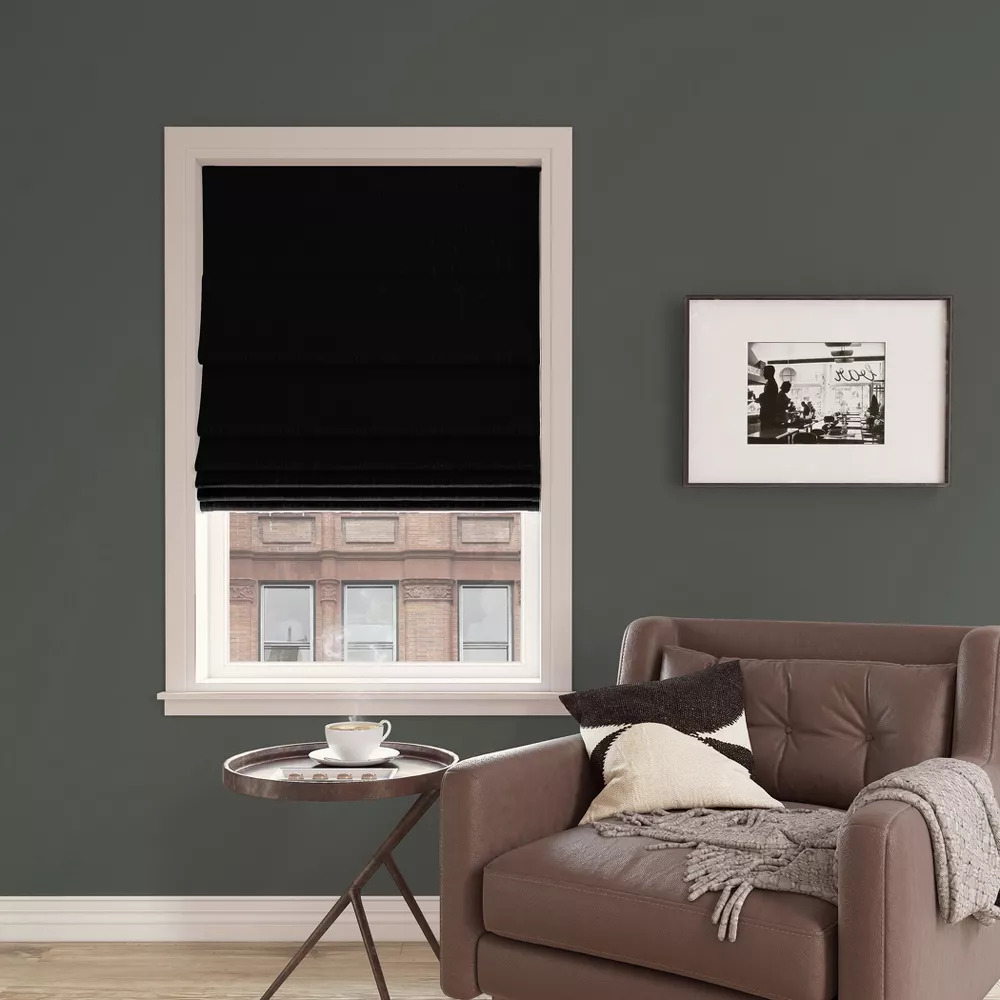
Quick answer: Yes, Roman shades can be made blackout — but only if they're built with a blackout-lined fabric. A standard Roman shade uses light-filtering or room-darkening material, which still lets some light through. Whether a specific Roman shade blocks light completely comes down to the fabric and lining, not the fold style itself.
This distinction trips up a lot of first-time buyers, since Roman shades are often marketed by their fold or look rather than their light performance. Below, we break down exactly what makes a Roman shade blackout, how it compares to other light-control levels, and which option fits which room.
Roman Shades Aren't Blackout by Default
The fold, stack, and fabric drape of a Roman shades have nothing to do with how much light it blocks — that's entirely a function of the material behind the front fabric. A Roman shade in a sheer linen weave and a Roman shade in a triple-pass blackout fabric can look nearly identical when closed, but perform very differently once the sun comes up.
This is why "Roman shades" and "blackout shades" aren't interchangeable terms. Roman shades are a style of window covering; blackout is a fabric construction that can be applied to that style, along with roller shades, honeycomb shades, and several other product types.
The Three Light-Control Levels
When we build a Roman shade, the fabric behind the front face falls into one of three categories:
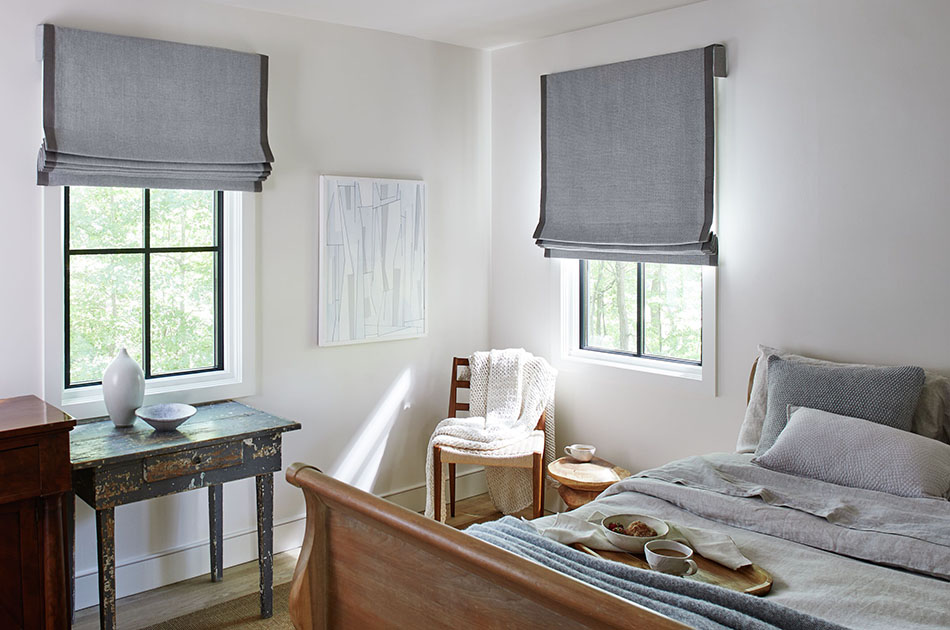
Light-filtering — lets in soft, diffused daylight while maintaining privacy. You'll still see a visible glow through the fabric, and shapes may be faintly visible from outside at night with lights on.
Room-darkening — blocks most direct light and outside visibility, but a small amount of light can still creep in around the edges or through the weave.
Blackout — uses an opaque, often foam-backed or triple-woven liner fused to the decorative fabric, blocking all light and outside visibility.
A true blackout Roman shade uses this third category. It's typically achieved with a dedicated blackout lining attached to the back of the decorative fabric, rather than a change to the front fabric itself — which is also why blackout Roman shades can still come in the same wide range of colours and patterns as light-filtering ones.
Why the Lining Matters More Than the Fabric Pattern
Because the blackout performance comes from the lining rather than the visible fabric, you don't have to sacrifice style to get full light blocking. The front-facing fabric can be a bold print, a soft neutral, or a heavier textured weave — the blackout layer sits behind it and isn't visible from inside the room. This is also why two Roman shades that look identical from your living room floor can have completely different light performance once installed; the lining is doing the work, not the pattern.
If you're still deciding between fold styles before you get to the fabric conversation, our guide to the different types of Roman shades breaks down:
Flat Fold Roman Shades: A clean, modern style that lies flat when lowered, making patterns and textures stand out.
Hobbled Fold: Features soft cascading folds that create a full, elegant look even when the shade is fully extended.
Balloon Fold: Decorative rounded fabric sections that add a classic, luxurious appearance to traditional interiors.
Relaxed Fold: A casual style with a gentle curve at the bottom, offering a softer and more relaxed look.
It also explains how each style works with a blackout lining, helping you choose the best option for your space.
Best Rooms for Blackout Roman Shades
Blackout Roman shades tend to make the most sense in:
Bedrooms, especially for shift workers or anyone sensitive to early morning light.
Nurseries, where nap schedules depend on a dark room during the day.
Media rooms and home theatres, where screen glare is the main concern.
South- or west-facing rooms, which get the most direct sun exposure over the day.
For living rooms, dining rooms, and home offices, most homeowners are better served by light-filtering or room-darkening fabric, since full blackout can make a daytime space feel closed off.
Blackout Roman Shades vs. Other Blackout Options
If blocking light is the main priority and you're not set on the Roman shade look specifically, it's worth comparing against other blackout-capable styles. Honeycomb blinds with a day/night construction offer strong insulation alongside blackout performance, which can be a better fit for rooms where energy efficiency matters as much as darkness. Our Luxury Roman Shades line also offers blackout linings paired with premium fabrics, for bedrooms where you don't want to compromise on either light control or design.
How to Order a Blackout Roman Shade
Every Roman shade at Met Blinds is built to your exact window measurements, with the lining specified alongside your fold, fabric, and mount type. If full blackout is the goal, let your consultant know upfront — it's a straightforward addition, but it's easiest to spec correctly from the start rather than retrofit later. You can see the full range of fabrics and linings on our Roman Shades product page, or request a free quote to get exact pricing for your windows.
Frequently Asked Questions
Do blackout Roman shades cost more than regular Roman shades? Yes, typically. The added lining increases the material and construction cost slightly compared to light-filtering or room-darkening versions of the same fabric.
Can I add a blackout lining to an existing Roman shade? Generally no — blackout performance comes from a lining fused to the fabric during construction, so it needs to be specified when the shade is ordered rather than added afterward.
Do blackout Roman shades block 100% of light? They block close to all direct light through the fabric itself, though small amounts can still enter around the edges depending on the mount type. An outside mount reduces edge gaps more effectively than an inside mount for this reason.
Are blackout Roman shades good for insulation too? Blackout linings add a modest insulating benefit, but if energy efficiency is the priority alongside darkness, a cellular or honeycomb construction will generally outperform a Roman shade.
For more buying guides like this one, visit our full blog.


