Flat Roman Shades: A Clean, Tailored Fold for Modern Windows
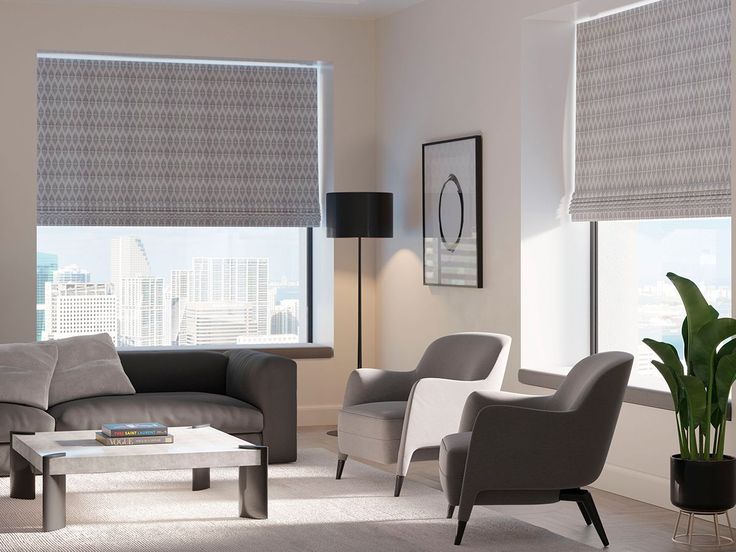
Quick answer: Flat Roman shades are a Roman shade style where the fabric folds into crisp, even horizontal panels with almost no ripple or fullness when raised. Unlike hobbled or balloon folds, which create soft, cascading layers, a flat Roman shade sits smooth and board-like against the window, making it the most minimal and tailored fold style available.
Because the fold style is really about how the fabric is constructed and stiffened, flat Roman shades work differently from other folds in a few practical ways — from which fabrics suit them to how they should be mounted. This guide covers what sets a flat fold apart and how to decide if it's the right choice for your windows.
What Makes a Fold "Flat"
A flat Roman shade uses horizontal dowel pockets sewn at even intervals into the back of the fabric. When the shade is raised, the fabric folds precisely along these dowels, creating uniform, stacked panels rather than a soft gather. The result is a shade that looks almost architectural when closed — flush, straight-edged, and free of the draped fullness you'd see in a hobbled or balloon fold.
This construction is why flat Roman shades read as more minimal and modern than other Roman shade styles, even though they're built from the same range of fabrics.
Flat Fold vs. Hobbled, Balloon, and Relaxed Folds
The four common Roman shades folds differ mainly in how much fabric fullness they carry:
Flat fold — smooth, even panels with no ripple; the most streamlined option.
Hobbled fold — soft scallops remain visible even when the shade is fully raised, for a more textured, traditional look.
Balloon fold — fabric puffs outward at the bottom for a rounded, decorative finish.
Relaxed fold — a gentle curve at the bottom rail, between flat and hobbled in formality.
If you're still comparing these options side by side, our overview of the different types of Roman shades goes into more detail on how each fold performs with different fabric weights.
Which Fabrics Work Best with a Flat Fold
Flat Roman shades tend to look their best in fabrics with some body and structure — mid-weight cottons, linens, and woven blends hold the crisp dowel-fold shape more cleanly than very lightweight or very heavy fabrics. Sheer or gauzy fabrics can lose definition in a flat fold, while extremely heavy blackout-lined fabrics may need slightly wider dowel spacing to fold evenly. Our team accounts for this during fabrication, matching dowel placement to the specific fabric weight you choose from the Roman Shades collection.
Where Flat Roman Shades Work Best
Because of their clean, architectural look, flat Roman shades are a strong fit for:
Modern and minimalist interiors, where the smooth panel look complements simple furniture lines.
Home offices, where a tailored, uncluttered window treatment supports a focused workspace.
Kitchens and bathrooms, in performance fabrics, since the flat fold doesn't trap dust in the folds the way a hobbled style can.
Large windows and sliding doors, where a stacked flat fold reads as neater than a heavily draped alternative.
Mounting Considerations for Flat Roman Shades
Flat Roman shades can be mounted inside or outside the window frame, and the choice affects how clean the finished line looks. An outside mount is often preferred with flat folds because it allows the shade to sit flush against the wall above the frame, reinforcing the smooth, architectural look the fold is known for, and it also improves light-blocking at the edges. Our complete guide to outside mount Roman shades walks through measuring and installation for this option in detail.
Light Control in a Flat Roman Shade
The fold style itself has no bearing on how much light the shade blocks — that comes down to the fabric and lining behind it, from light-filtering through to full blackout. If a dark bedroom or media room is the goal, our post on whether Roman shades are blackout explains how to spec a flat Roman shade with a blackout lining without changing the fold or fabric pattern.
Flat Roman Shades and Motorization
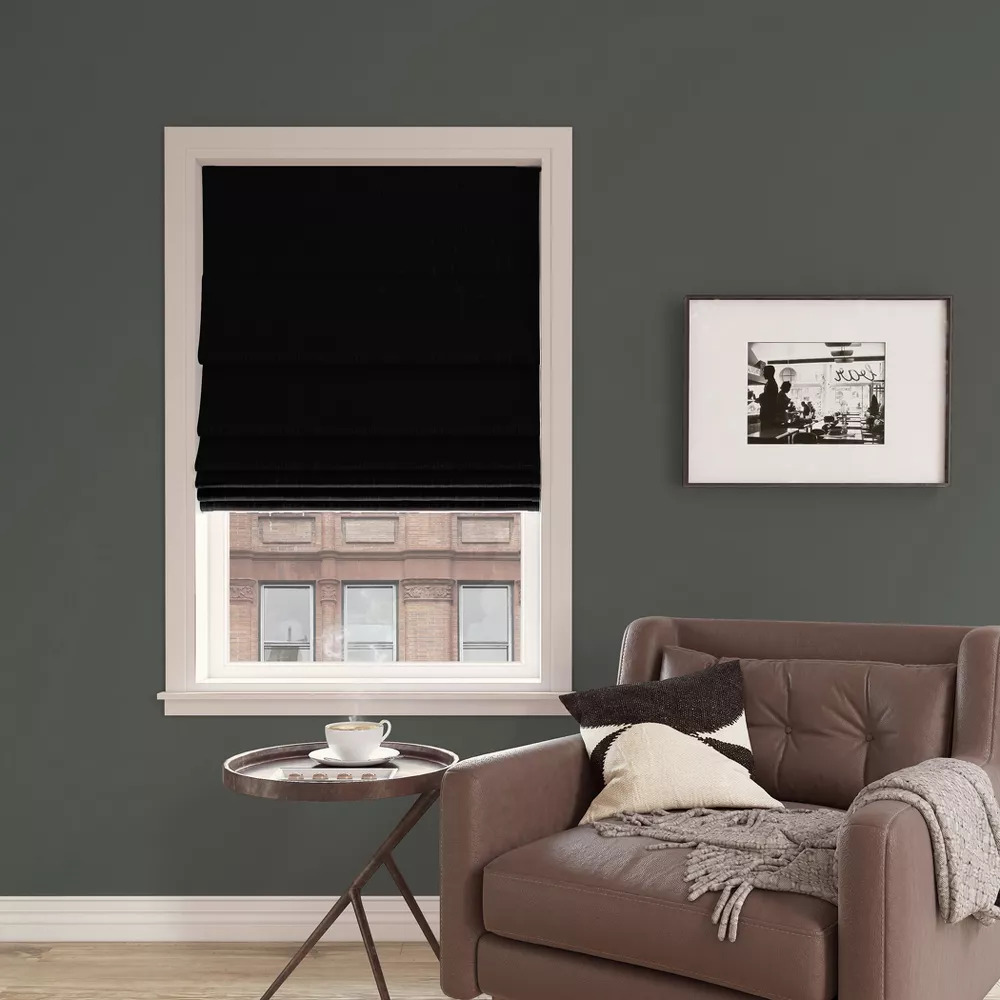
Because a flat fold stacks evenly and predictably, it pairs well with motorized lift systems, which rely on consistent fold spacing to raise and lower the shade smoothly. If you're considering adding this to a wider smart home setup, our guide to smart blinds for Calgary homes covers how motorized Roman shades integrate with app and voice control.
How to Order Flat Roman Shades
Every flat Roman shade we build is custom fabricated to your window's exact measurements, with dowel spacing set to match your chosen fabric and mount type. You can browse fabric options or step up to designer-grade textiles on our Luxury Roman Shades line. For a full walkthrough of fabric, fold, mounting, and control choices together, request a free quote to get started.
Frequently Asked Questions
Are flat Roman shades harder to clean than other folds? No — they're generally easier. Because the fabric sits smooth rather than gathered, there are fewer creases for dust to settle into compared to hobbled or balloon folds.
Do flat Roman shades work with heavier blackout fabrics? Yes, though dowel spacing is adjusted slightly for heavier fabrics to keep the fold even and prevent sagging.
Is a flat fold more affordable than a hobbled or balloon fold? Pricing is driven mainly by fabric and lining choice rather than fold style, so a flat fold isn't necessarily cheaper — the fold itself has minimal impact on cost.
Can flat Roman shades be motorized? Yes, and their even fold spacing makes them one of the more reliable fold styles for motorized lift systems.
For more buying guides and style comparisons, visit our full blog.