Roman Shades: The Complete Guide to Style, Fabric, and Fit
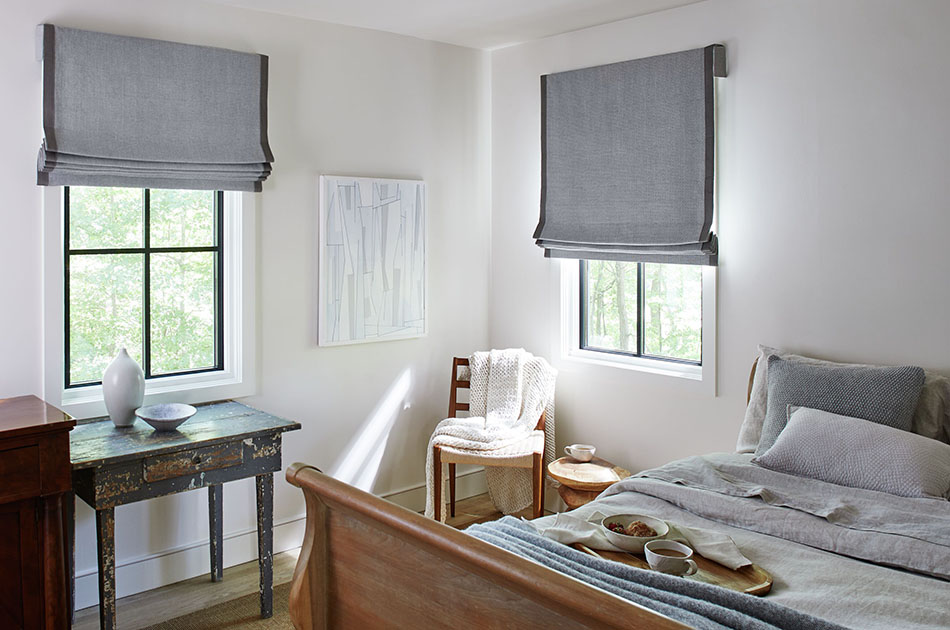
Roman shades are one of the most versatile window treatments available today, blending the clean lines of a blind with the soft, layered look of drapery. Whether you're updating a living room, a bedroom, or a home office, Roman shades fold neatly into place when raised and fall flat and smooth when lowered, giving every window a tailored, custom-made appearance.
This guide walks through everything you need to know before choosing Roman shades for your home — from the different styles and fabrics available to how they mount, operate, and hold up over time. It draws on the same measuring and fitting standards our team uses across Calgary installations, so you'll know exactly what to expect before you order.
What Are Roman Shades?
Roman shades are fabric window coverings that stack into neat horizontal folds as they're raised, rather than rolling or stacking to one side like a blind. Because they're built from continuous fabric panels, they offer a softer, more textile-driven look than aluminum or vinyl blinds, while still being available in light-filtering, room-darkening, and blackout constructions depending on the fabric chosen.
Their appeal comes from that balance: the structure and function of a blind, with the warmth and texture of curtains. That's why Roman shades are a common choice in spaces where homeowners want privacy and light control without sacrificing style. You can browse the full range of fabrics, folds, and hardware finishes on our Roman Shades product page.
Why Homeowners Choose Roman Shades
A few reasons Roman shades consistently come up as a top choice for Calgary homes:
Custom-fit appearance — every shade is built to the exact dimensions of your window, so there's no gap or overhang.
Fabric variety — from sheer linen-look weaves to heavier blackout-lined fabrics, the fabric determines light control, privacy, and insulation.
Layered light control — many Roman shades can be built with a top-down/bottom-up feature, letting you control privacy and light independently.
Design flexibility — they suit both classic and modern interiors, since the fold style and fabric can be matched to almost any decor.
For homeowners who want an elevated version of this style with premium fabrics and finishes, our Luxury Roman Shades line offers designer-grade textiles and detailing not found in standard Roman shades. If you're still weighing Roman shades against a roller-style option, our post on how double roller blinds work is a useful side-by-side on lift mechanisms and light layering.
Types of Roman Shades
Roman shades come in five distinct fold styles, each changing how the fabric drapes, stacks, and reads in a room. Here's a quick look at each, with a full comparison in our guide to the types of Roman shades.
Flat Roman Shades
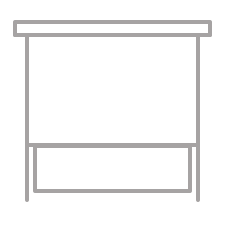
Flat Roman Shades are folded into smooth, even panels with virtually no ripple, giving a clean, architectural look. Best suited to modern interiors.
Hobbled Roman Shades
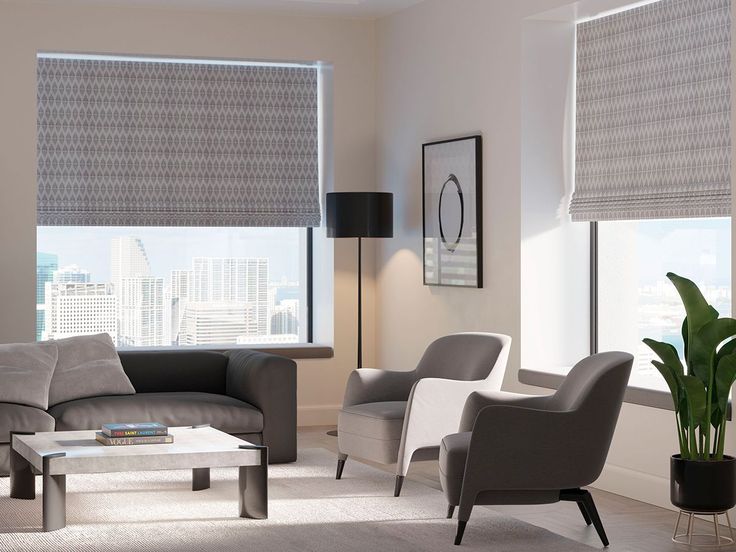
Retain soft, rounded folds even when fully raised, adding texture and dimension to the window. A popular choice for traditional and transitional interiors.
Relaxed Roman Shades
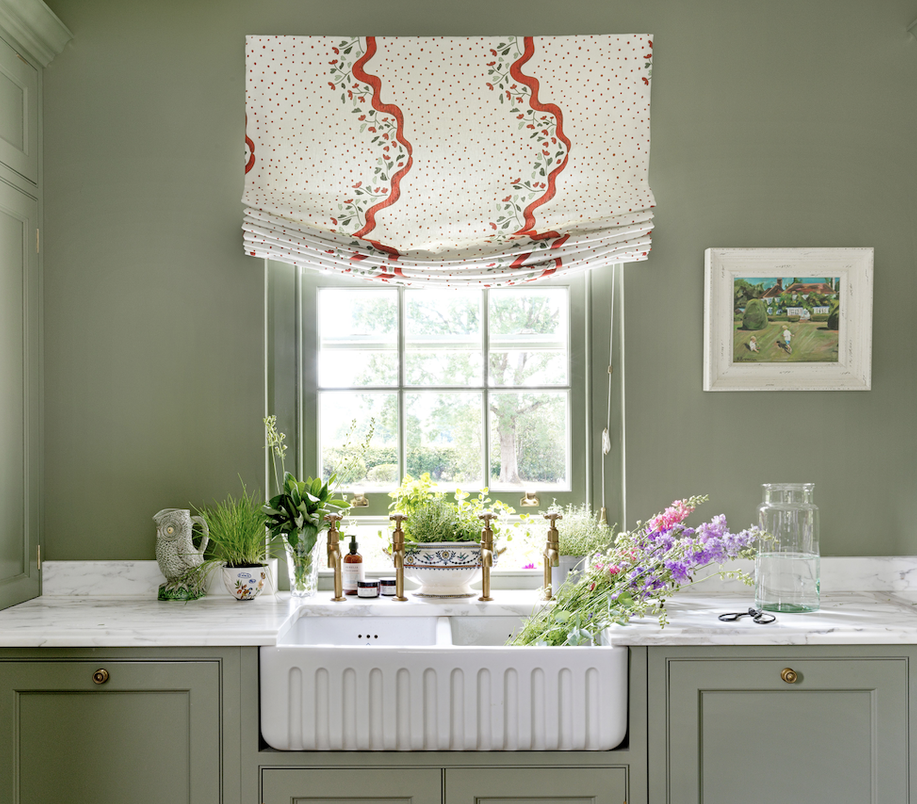
Relaxed Roman shades sit flat when raised but curve gently at the bottom rail when lowered, for a casual, lived-in look. Works well in bedrooms and cottage-style spaces.
Balloon Roman Shades
Puff outward at the bottom into rounded, cloud-like folds, adding a decorative, romantic touch. Best suited to formal living and dining rooms.
Box Pleat Roman Shades
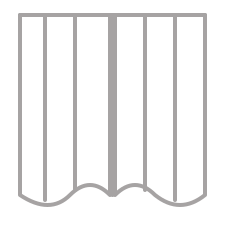
Fold into structured, tailored pleats with crisp, even edges for a more formal, tailored appearance. A strong fit for classic and traditional decor.
Inside Mount vs. Outside Mount: Which Is Right for Your Window?
How a Roman shade is mounted changes both its appearance and its performance. An inside mount roman shades sits within the window frame for a clean, built-in look, while an outside mount is installed on the wall or trim above the window, extending beyond the frame on either side.
Outside mount Roman shades are often the better choice when a window doesn't have enough depth for an inside mount, when you want to make a window appear larger, or when you need better light-blocking and privacy coverage, since the shade can extend past the frame's edges. It's a decision worth getting right before you order, since it affects the exact measurements you'll need to take.
Fabric and Light Control Options
The fabric behind a Roman shade does more than set the look — it determines how much light and privacy the shade delivers:
Light-filtering fabrics let soft, diffused light into the room while maintaining daytime privacy.
Room-darkening fabrics block most light, making them a strong fit for bedrooms or media rooms.
Blackout-lined fabrics eliminate nearly all incoming light, ideal for shift workers or nurseries.
Because every fabric is available across our full range of folds and mount types, you can fine-tune a Roman shade to match both the aesthetic and the functional needs of each room.
Are Roman Shades Blackout?
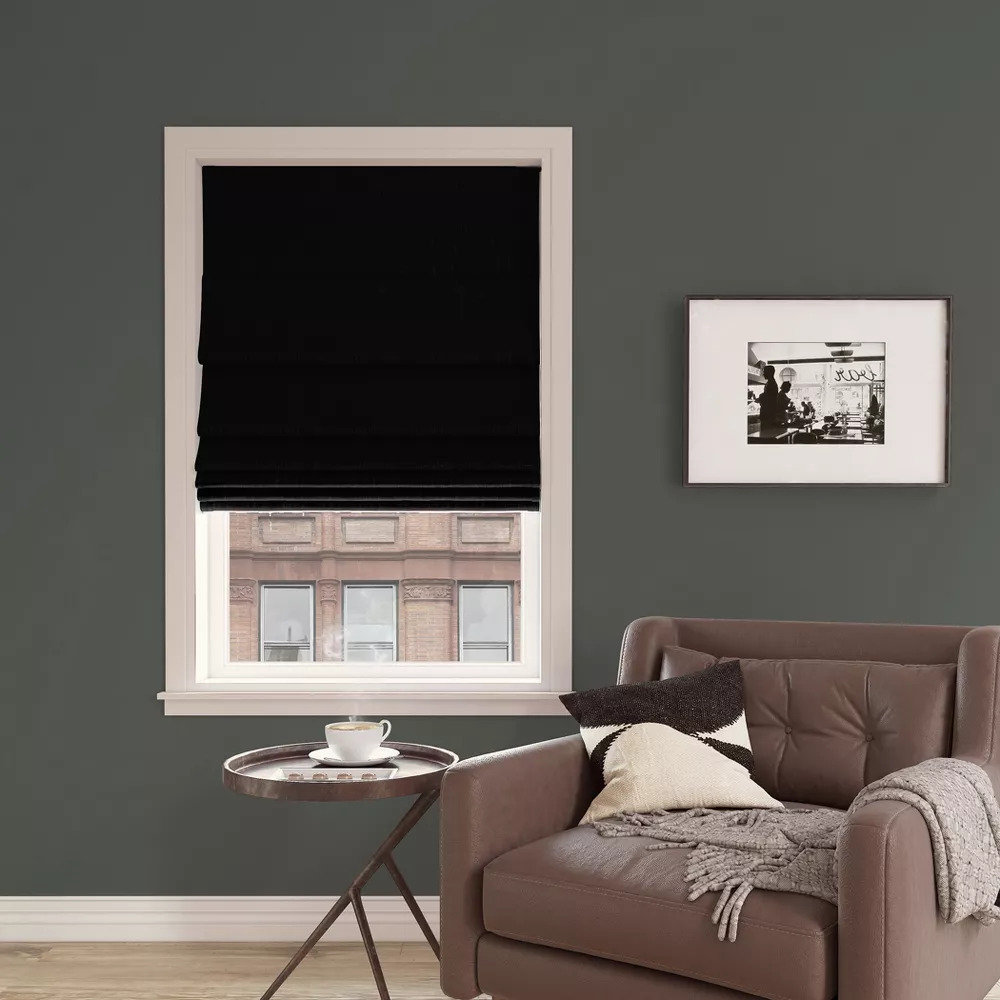
This is one of the most common questions homeowners ask before ordering, since the fold and fabric pattern can look the same across all three light-control levels. The short answer is that Roman shades can be made blackout, but only when built with a dedicated blackout lining — the fold style and visible fabric have no bearing on light performance by themselves.
Motorized and Cordless Control Options
Roman shades don't have to rely on a pull cord. For homes with hard-to-reach windows, young children, or pets, cordless blinds systems make raising and lowering the shade simple and safe. Motorized Roman shades can also be added to a smart home setup, letting you control them by app, voice command, or schedule alongside other blinds in your home. Explore our motorized blinds options to see how this integrates with Roman shades and the rest of your window treatments, and see our breakdown of smart blinds for Calgary homes for a fuller look at what smart control adds day to day.
Layering Roman Shades with Curtains
Roman shades don't have to work alone. Pairing them with flowing drapery or lightweight sheers adds height and softness to a window while keeping the precise light control the shade provides underneath. For a more decorative topper, our Dream Curtains line is a popular pairing with light-filtering Roman shades in living and dining rooms.
Where Roman Shades Work Best
Roman shades suit nearly every room, but they're especially popular in:
Living rooms and dining rooms, where their tailored look pairs well with furniture and layered window treatments.
Bedrooms, particularly with room-darkening or blackout fabrics.
Home offices, where light-filtering fabrics reduce glare on screens without blocking natural light entirely.
Kitchens, in moisture-resistant fabrics for a softer alternative to blinds.
If you're comparing Roman shades against other options for a specific room, our Zebra Blinds and Honeycomb Blinds pages outline how those styles differ in light control and insulation.
Caring for Your Roman Shades
Roman shades are low-maintenance but benefit from routine care:
Dust regularly with a soft brush attachment or microfiber cloth.
Spot-clean fabric stains promptly, testing any cleaner on a hidden section first.
Avoid excessive moisture, especially on unlined or light-filtering fabrics.
Have professionally cleaned every 12–18 months if installed in high-traffic rooms.
Every Roman shade we install is also backed by our warranty, covering the hardware and lift mechanism against defects.
Getting Started with Roman Shades
Every Roman shade we build is custom-made to the exact measurements of your window, with a choice of fold, fabric, mount type, and control system. If you're ready to see fabric samples or get an exact quote for your windows, you can request a free quote and our team will guide you through fabric, fold, and mounting choices based on your space.
For more buying guides and style inspiration, visit our full blog.