Relaxed Roman Shades: Style, Benefits & Buying Guide
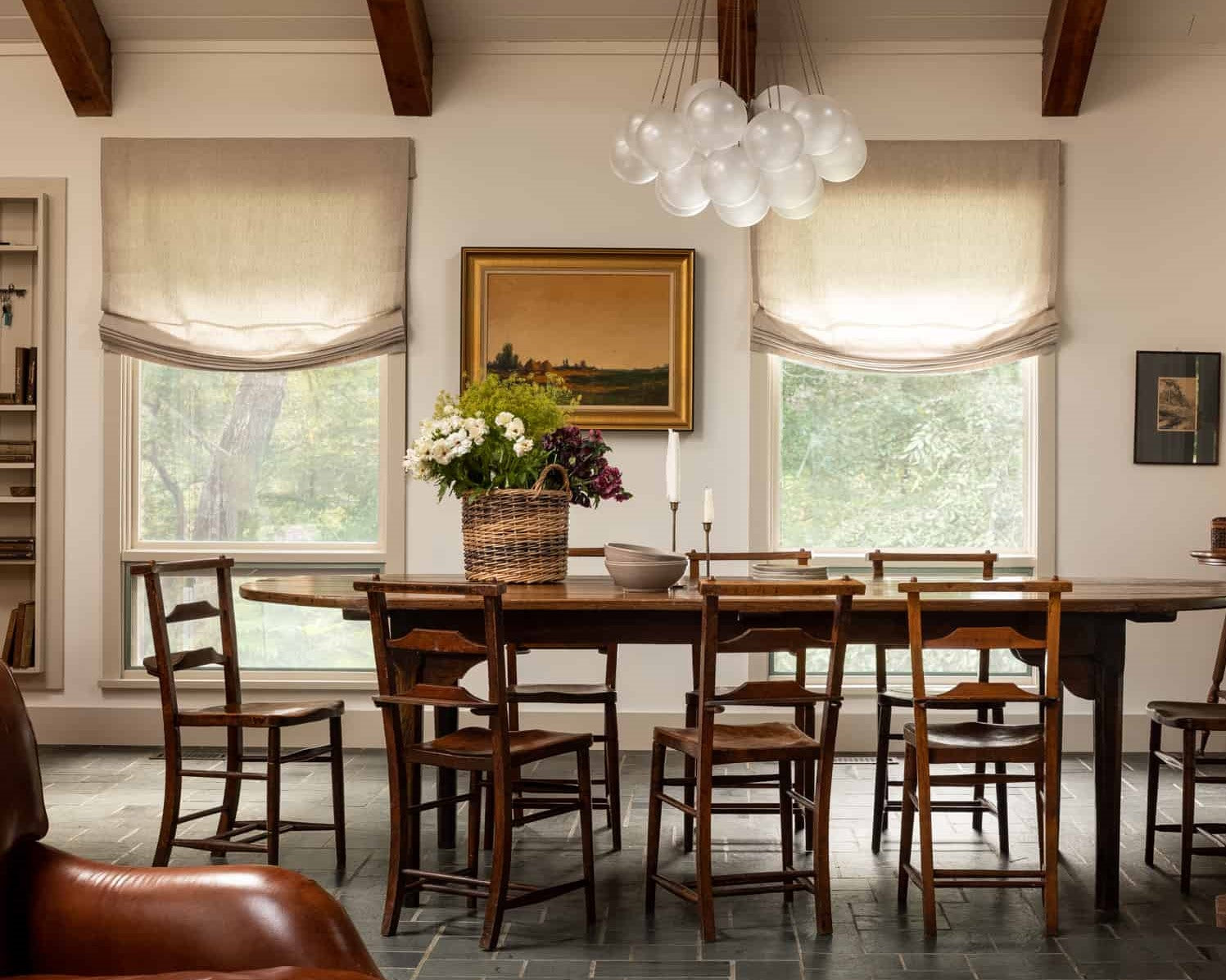
Table of Contents
What Are Relaxed Roman Shades?
How Relaxed Roman Shades Compare With Other Styles
Benefits of Relaxed Roman Shades
Choosing Relaxed Roman Shades for Different Rooms
Fabric, Light Control, and Customization
Are Relaxed Roman Shades Right for Your Windows?
FAQs
AI Overview
Relaxed Roman shades are fabric window treatments with a soft, curved dip at their base when lowered. Compared to structured flat Roman shades, relaxed Romans have more of an informal and decorative appearance, making them suitable for bedrooms, living rooms, dining areas, and other places where softness is desirable. Fabric weight, lining weight, window size, mounting style, and how often it should be raised should all be considered before choosing this style of shade.
What Are Relaxed Roman Shades?
Relaxed Roman shades represent another option among Roman blinds, whose purpose is to create a softer look compared to traditional Roman blinds when they are pulled down. In a relaxed Roman shade, when it is raised, an indentation appears on its lower edge; unlike in Roman blinds, it does not create a completely straight lower edge, but the fabric falls in a natural way instead.
Relaxed Roman shades possess a casual appearance, making them perfect for windows that require some softening but without the fullness of curtains.
Soft Roman shades can also be referred to as soft-fold Roman shades, yet the names used by different companies producing these types of shades may differ, so it is better to pay attention to their design first.
Relaxed shapes are created thanks to the design of fabrics and the shade itself. Light and flexible fabrics create softer shapes in their structure than heavy and inflexible ones.
Roman shades are perfect for those homeowners who want to create soft fabric window treatments but do not want anything too formal.
How Relaxed Roman Shades Compare With Other Styles
Roman shades come in various designs, and their fold style can have an incredible impact on their overall appearance.
Flat Roman shades feature a sleeker, more structured appearance. Their fabric forms neat horizontal folds when raised and creates an even surface when lowered, making them the ideal addition to contemporary and tailored interiors.
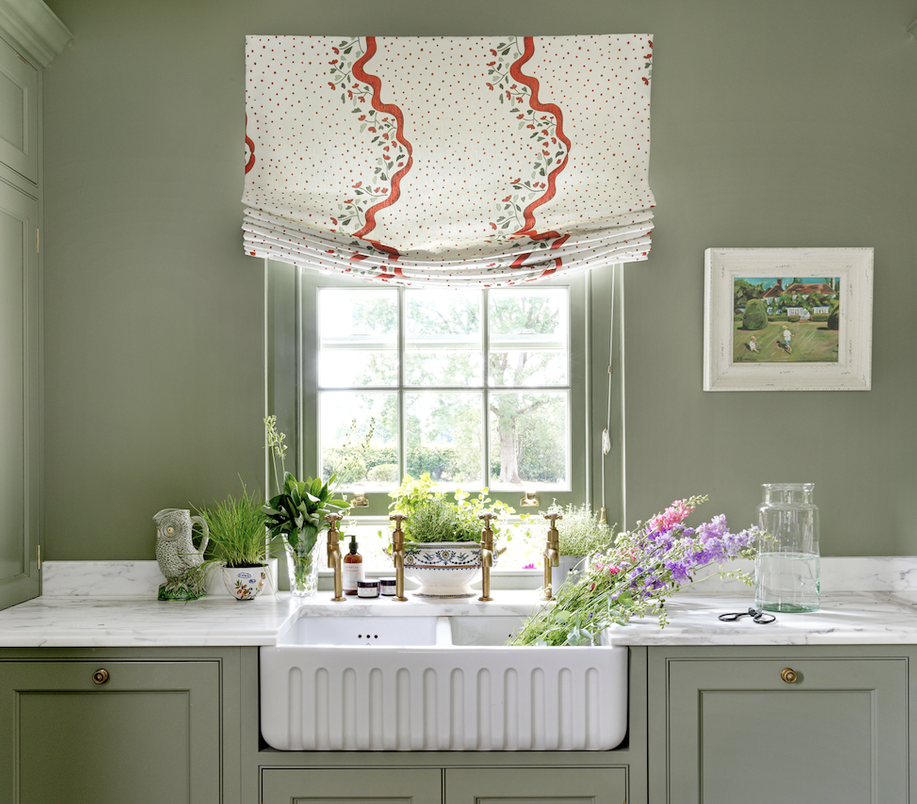
Relaxed styles take an alternative approach. Their soft bottom curve and less rigid appearance add visual movement to a window's view.
Hobbled or looped Roman shades provide another option. By keeping visible folds or cascading layers even when lowered, they add an elegant and traditional charm that gives your room more character.
Roman shade style | Appearance | Best suited to |
Relaxed | Soft curved bottom and natural drape | Casual, cozy, and traditional spaces |
Flat | Clean, smooth, and tailored | Modern and minimalist interiors |
Hobbled | Layered, continuous folds | Traditional and decorative rooms |
Pleated | Defined horizontal folds | Classic and structured interiors |
If you are comparing styles before making a decision, the complete Roman Shades guide provides additional information about fabrics, mounting, and general Roman shade considerations.
Benefits of Relaxed Roman Shades
Roman shades provide softness without needing full-length curtains, making them an excellent option when the room already features modern furniture or minimal decorations. Roman shades also work exceptionally well when there is ample furniture or architectural lines present that warrant their use.
Key benefits include:
Soft visual appeal: The curved bottom adds a relaxed decorative detail to the window.
Space efficiency: Like other Roman shades, they occupy relatively little space compared with full drapery.
Fabric versatility: Different fabrics can change the character from airy and casual to more substantial and traditional.
Custom sizing: Custom relaxed Roman shades can be made to suit individual window dimensions and mounting requirements.
Layering potential: They can be paired with curtains or another window treatment when additional privacy or light control is needed.
Room flexibility: The style can work in bedrooms, living rooms, dining areas, and other interior spaces.
One important consideration when ordering relaxed Roman shades is operation. Some styles may only need to be opened or closed occasionally; others require constant adjustment after raising or lowering them. If this will be an everyday activity for you, inquire as to its specific design and operating system before making your selection.
Choosing Relaxed Roman Shades for Different Rooms
Relaxed Roman Shades for Living Room
Living rooms often benefit from window treatments that soften natural light while complementing the furniture and architectural details. Relaxed Roman shades for living room windows create an appealing layered appearance without making the space appear overly formal.
Natural-looking fabrics and subtle textures work best for casual interiors, while bold patterned fabrics can turn windows into decorative focal points. When selecting fabrics for larger windows, consider width and fabric weight so the bottom curve remains intentional rather than excessively sagging.
Relaxed Roman Shades for Bedroom
Bedrooms can benefit greatly from soft window treatments like Roman shades. Relaxed Roman shades for bedroom windows add warmth and texture while maintaining a sleek profile.
If darkness and privacy are top priorities, opt for a room-darkening construction with lined or room-darkening fabrics. An eyelet shade may also be combined with another treatment when additional light control is necessary.
Textured fabric can add depth without creating an overwhelming pattern in bedrooms with simple bedding and neutral furniture, helping add some dimension.
Relaxed Roman Shades for Windows in Other Spaces
These shades can also work well in dining rooms, reading areas, home offices, and guest bedrooms. Their decorative curve makes these windows particularly suitable for rooms where light control should play more of an aesthetic role rather than solely providing light control.
Proportion is key when selecting an elegant shade, one that complements both window size and surrounding furniture without competing against them.
Fabric, Light Control, and Customization
Fabric choice affects both appearance and performance. Lightweight fabrics tend to drape more easily, while heavier materials create a more substantial appearance.
Consider these factors before choosing a fabric:
Consideration | What to look for |
Natural light | Light-filtering fabric for a softer daylight effect |
Privacy | Lined or less translucent materials |
Bedroom use | Room-darkening or blackout lining where appropriate |
Decorative impact | Texture, pattern or a contrasting colour |
Fabric behaviour | Materials that can form a controlled, attractive curve |
Maintenance | Fabric care requirements suited to the room |
Custom sizes is specially helpful when it comes to uniquely-shaped or differently-proportioned windows. With custom relaxed Roman shades, the measurement, mount location, and materials could be chosen together rather than modifying a standard-size Roman shade to fit the window.
MetBlinds provides customers with Roman shades that come in flat-fold, hobbled, and relaxed styles and also offers light-filtering and blackout material choices. The Calgary Roman Shade range also includes cordless and motorized versions.
For shoppers comparing options, the MET Blinds Roman Shades collection provides a starting point for exploring custom fabric shades. You can also browse its wider Custom Blinds collection if a different window treatment may be better suited to your space.
Are Relaxed Roman Shades Right for Your Windows?
Relaxed Roman shades seem to be the best option when the aim is to achieve functionality in window treatment as well as an elegant look. It is not about achieving a very straight line but rather incorporating the fabric into the atmosphere of the room.
Before choosing them, consider:
How often the window treatment will be opened and closed
Whether you need light filtering or blackout performance
How much privacy the room requires
The fabric's weight and drape
Whether you prefer a relaxed or tailored appearance
Whether custom sizing is necessary
Whether cordless or motorized operation would be useful
If you prefer a crisp, highly structured look, flat Roman shades may be the better choice. MET Blinds' Flat Roman Shades guide can help explain that alternative in more detail.
For a broader comparison of the types of Roman shades, see the Roman shade styles guide.
FAQs
What is the difference between relaxed and flat Roman shades?
Relaxed Roman shades feature a soft curved bottom edge, while flat Roman shades tend to give off a cleaner and more structured appearance. Your choice depends heavily on your desired style for the room and desired level of structure.
Are relaxed Roman blinds the same as relaxed Roman shades?
In most contexts, both terms refer to the same kind of window treatment. "Roman blinds" is widely used in some areas, whereas "Roman shades" is popularly used in North America.
Can relaxed Roman shades provide blackout coverage?
They can be made with blackout or room-darkening fabrics or linings, depending on the construction. The specific level of darkness depends on the fabric, lining, and installation details.
Where can I buy Roman shade window treatments?
You can buy Roman shades online or work with a local window-treatment provider for custom sizing and installation. When comparing options, check fabric choices, measurements, operating systems, and light-control requirements rather than choosing based on appearance alone.
Are relaxed Roman shades suitable for every window?
Not necessarily. The style can work across many window types, but very wide windows, frequently operated windows, or situations requiring a highly structured appearance may call for another Roman shade construction. A professional measurement can help determine the most suitable option.


